Upgrade Your Power System: The Simple LiFePO4 Battery Conversion Guide
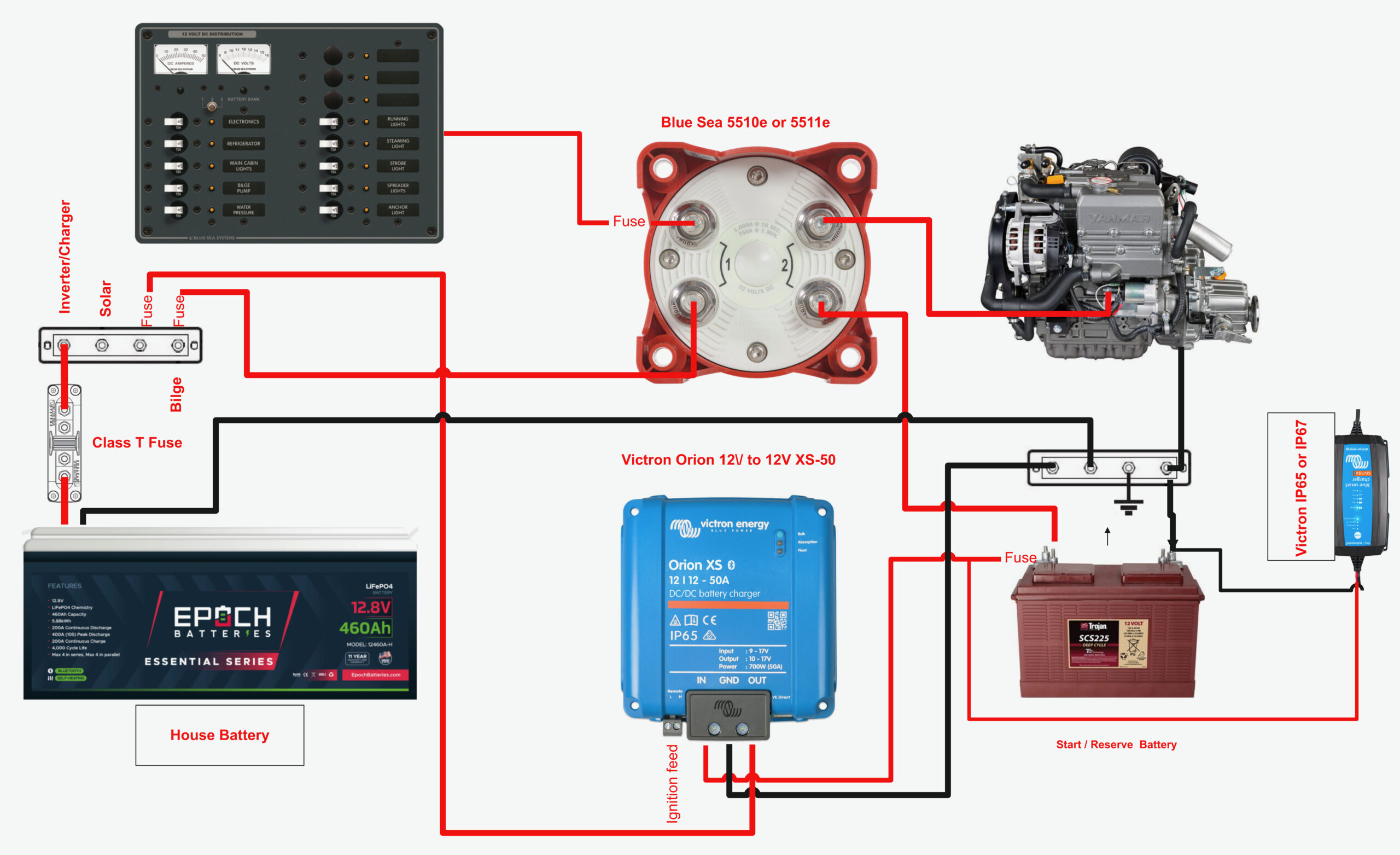
Hardly a day goes by that we don’t see or hear people lamenting that they’re sticking with Lead-Acid Batteries, because LiFePo4 (LFP) is “just too complicated.” With a few simple components, an LFP conversion is very easy for the 25-40′ cruising boat. The components necessary for an easy LiFePo4 conversion are:
1 – LFP House battery bank with Bluetooth BMS
2 – Blue Sea Systems Dual-Circuit Battery switch
3 – Victron XS-50 DC to DC Charger
4- Class T Fuse
5- Battery cable, lugs, busbar, heat shrink, etc…
IMPORTANT: This drawing is the foundation level only. Solar, wind, shore charger, inverter/charger, fuel cell, hydro generator, etc., all tie into the house bank positive bus.
The XS-50 switches & class T can be purchased at our affiliate partner:
Buy a Victron XS-50 – Bay Marine Supply
Step 1: Replace the 1/2/B Switch:
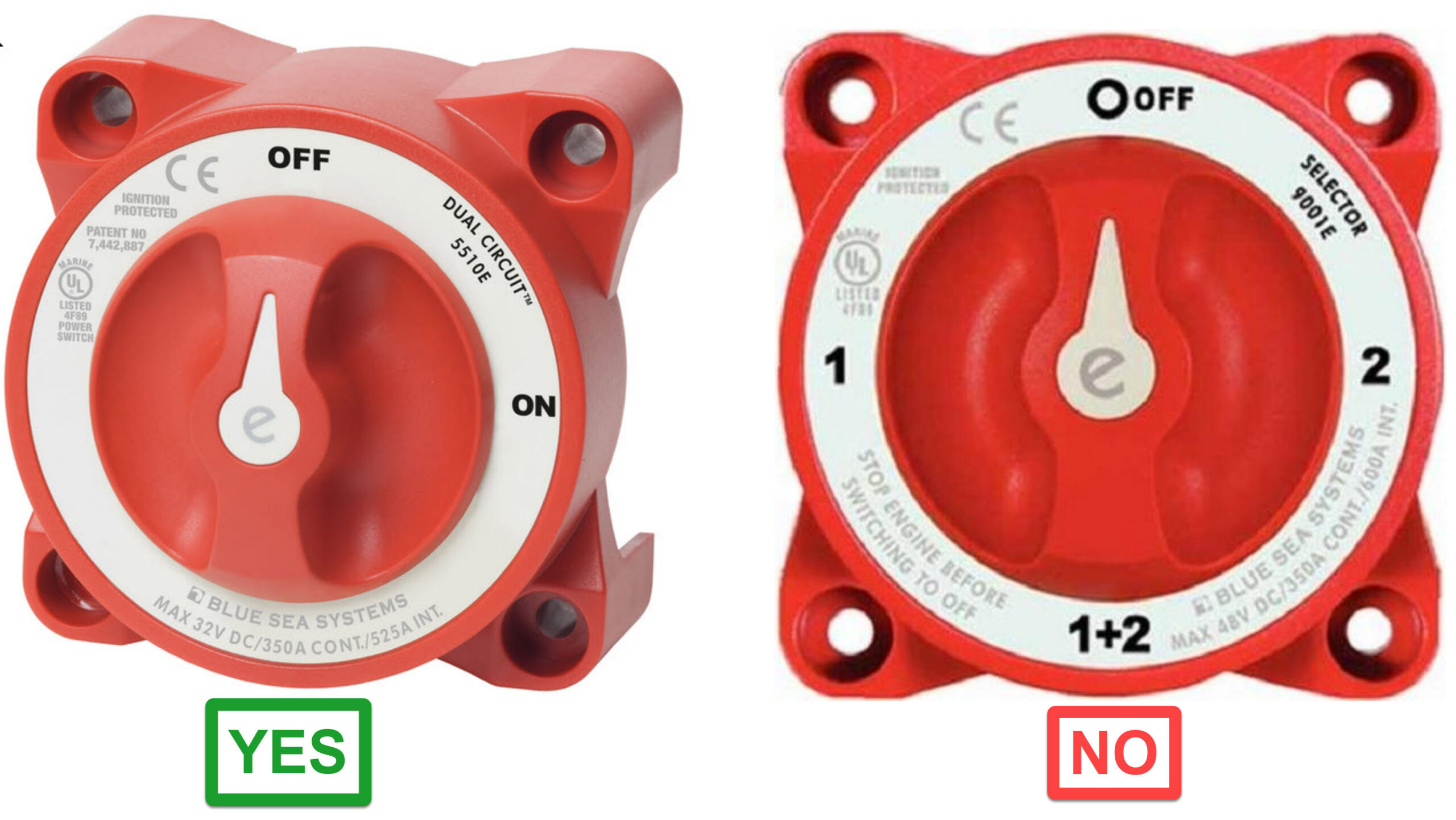
The conversion could not be easier. Remove your 1/2/B battery switch, if so equipped, and replace it with a Blue Sea Systems 5510e dual circuit switch or a Blue Sea Systems 5511e. If your LFP bank is not designed for initial use with the 5510e. If your LFP bank is large enough to be used, in an emergency, to start the motor, you can install the 5511e, which includes an emergency COMBINE position. This switch creates two banks, START & HOUSE, that are fully isolated from each other. No more fiddling with a 1/2/B switch, just an easy ON/OFF.
We have created a storefront with busbars and accessories you will need for this project. The busbars I have personally used & tested. Amazon is perfect for accessories, but not for products like Victron that may require tech support. Please support MHT by purchasing from our Affiliate Partners.
Buy Easy LFP Conversion Products – Amazon
Step 2 Mount the House Bank & Class T Fuse
Measure twice Mount once. With LiFePo4 LFP batteries being lighter & smaller, you can easily install significantly more usable Ah capacity in the same space where the lead acid batteries resided. Because LiFePo4 LFP batteries can deliver insane amounts of short circuit current, a Class T-fuse should be used to protect the vessel, as they are one of the only fuses with a 20,000A AIC rating..
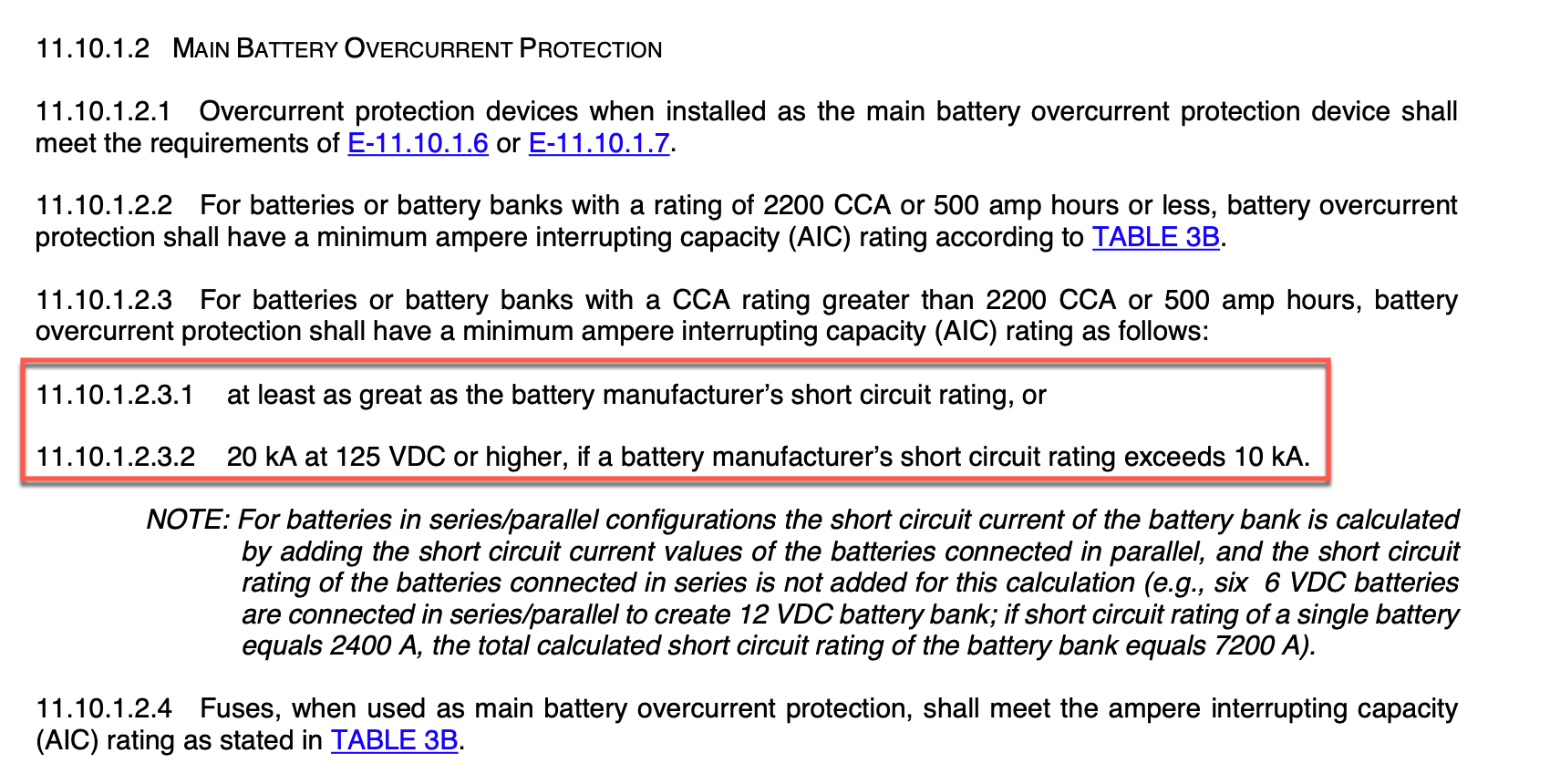
Rod, my battery already has short-circuit protection?
Unfortunately, neither UL nor the ABYC considers a BMS as an over-current protection device. When they say “at least as great as the battery manufacturer’s short-circuit rating.” This means the short-circuit rating of the cells. It assumes the BMS is not there. Sadly, I do not know of a single LFP cell manufacturer that publishes this data. Some lead acid manufacturers do, and a single AGM battery can throw 5000A into a dead short. Bottom line, use a Class T to for main bank protection to avoid any issues when it comes to insurance surveys.
Step 3: Install the Victron XS-50 DC to DC charger
The New Orion XS-50 can be purchased at our affiliate partner:
Buy An XS-50- Bay Marine Supply
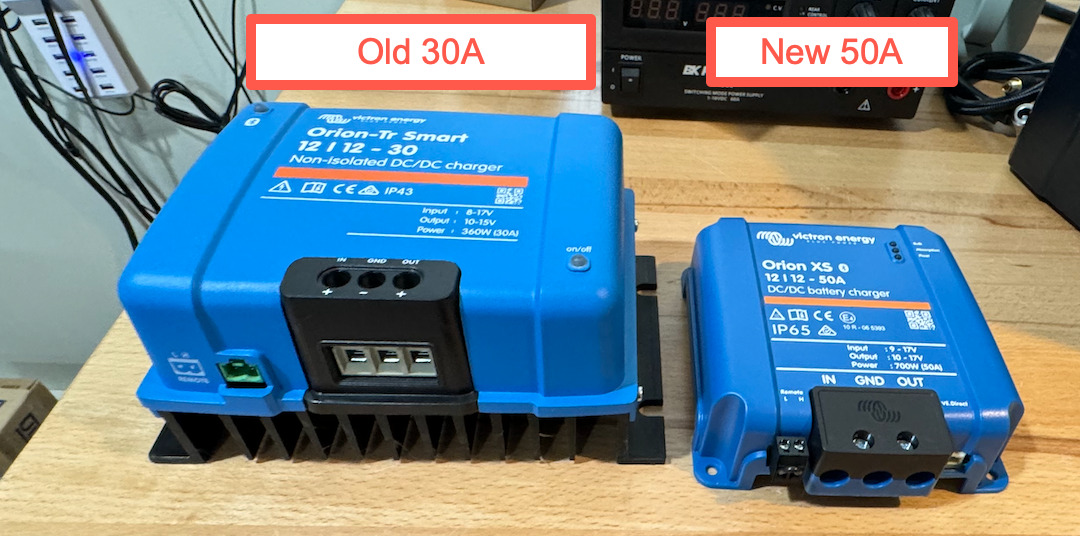
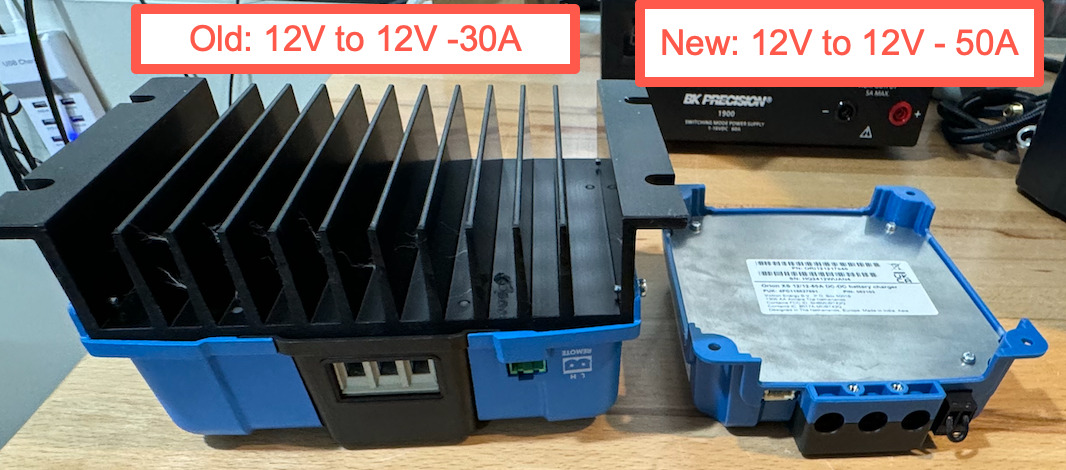
The new XS-50 from Victron is a HUGE leap forward compared to its predecessor. The older Orion series used a much less efficient switching power supply design. As such, it required massive heat sinks and a massive size. Despite the size and huge heat sink the still ran quite hot. With the XS 50, Victron did what they do best, and listened to their dealers and installers. By listening, they went back to the drawing board and used a much, much more efficient power supply design. This made the new XS-50 considerably smaller and removed the need for massive external heat sinking as they used a special aluminum PCB material..
Victron also added a VE Direct port, another item dealers/installers were asking for. On top of that, they added the ability to custom program input and output current in o .1A increments. The new XS-50 is AMAZING!
We recommend turning on the XS-50 via engine ignition in case the start battery charger is smaller than 50A.

Why use a DC to Dc charger?
1- Stock alts have one voltage setting, and it is rarely correct for your LFP batteries.
2- Stock alts can and do burn themselves up charging LFP batteries. (I won’t bore you with pictures)
3- A DC-DC charger can handle a BMS disconnect; your alternator *cannot (*without additional equipment).
About the Design
In this design, the stock alt remains connected to the lead-acid starting battery, keeping the installation super easy. I was going to write this article two years ago but I was not happy with the predecessor to the new XS-50. The original Orion TR Smart series ran quite hot and lacked in some areas, specifically input /output limiting. A massive benefit to the new XS-50 is the fact that you can set both the input and output current, as well as run them in parallel if you have a large factory alternator.
DC-DC chargers should be set to draw no more than 50% of the alt’s rated output:
If your stock alt is:
100A – XS-50 is a perfect fit
80A – Set it to 40A
50A Set it to 25A
etc.
The Easy LFP System:

This drawing keeps it simple. An LFP house bank, a lead acid start bank, a dual circuit plus switch, and a DC to DC charger. Simple cost effective and easy to install & wire.
In this drawing, we show an Epoch Battery because it easily represents the highest quality-to-value ratio of any LFP battery suitable for a cruising boat. If you use the Epoch 12V 460Ah, as shown, it has a built-in fuse with a 50,000A AIC rating, so the class T is not needed, and an MRBF can be placed right on batt +.
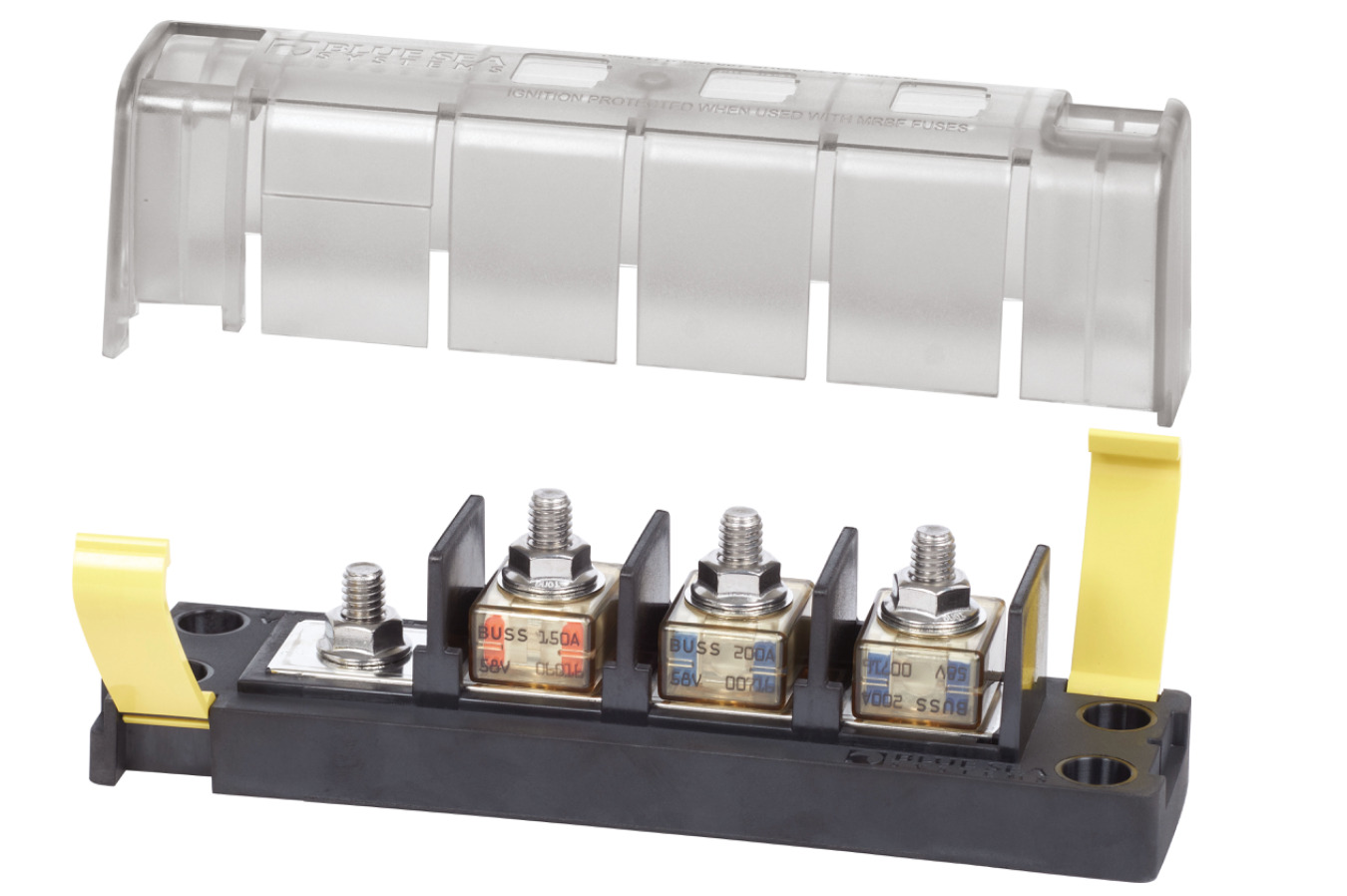
An excellent option for the Always/On/Charge bus is the Blue Sea 5196 MRBF common source fuse holder.
Step 4: Choose Your LiFePo4 LFP batteries
We believe Epoch batteries currently represent the best value-to-quality ratio of any LiFePo4 LFP batteries currently on the market, and as such, Epoch has offered our readers a 10% discount.
EPOCH Battery 10% DISCOUNT:
We have secured a 10% Epoch discount for MHT readers. The Coupon code is: MARINEHOWTO
It can only be used via the link below!
Buy Epoch Batteries- Epoch LiFePo4 Batteries
The EASY LFP system =
1-ABYC compliant
2- Protects the Factory Alternator
3- Affordable
4- EASY!
Why LiFePO4 Marine Batteries Are Revolutionizing Boat Power Systems in 2026
Rod, why do you show a deep-cycle battery as the engine starting battery?
Easy, LiFePo4 LFP batteries basically use a computer to keep the battery working. Computers can have glitches. By using a deep-cycle battery as the Start/Reserve battery, the day you need to rely on it, you won’t murder the battery by deep-cycling it. We began employing this design strategy in the mid 90’s on world cruising boats, and more than once it has proven invaluable in saving the vessel.
Ignore the myth and lore that deep-cycle batteries can’t be used for starting engines. It is just that myth & lore.. (grin) To use the start/reserve battery in an emergency, you will need to use the 5511e switch with Emergency COMBINE.
Important: If you don’t know why the house bank went down, pull the house bank fuse before turning the switch to combine.

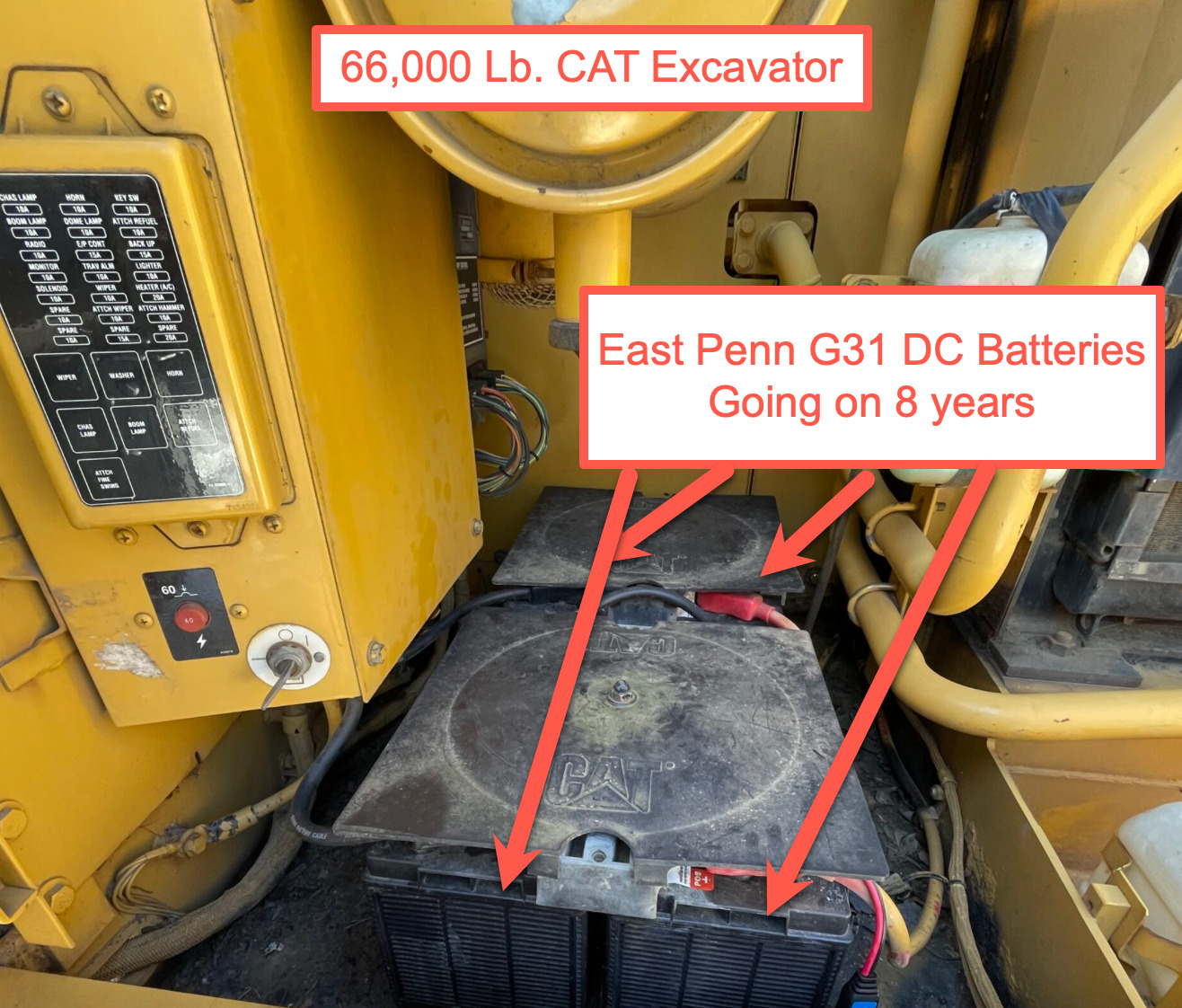
Trojan knows deep-cycle batts! Heck My brother & I have been using deep-cycle marine batteries to start our massive CAT excavation equipment for 10+ years, and they tend to outlast the starting batts by a wide margin. Why, because they are a more robust construction..